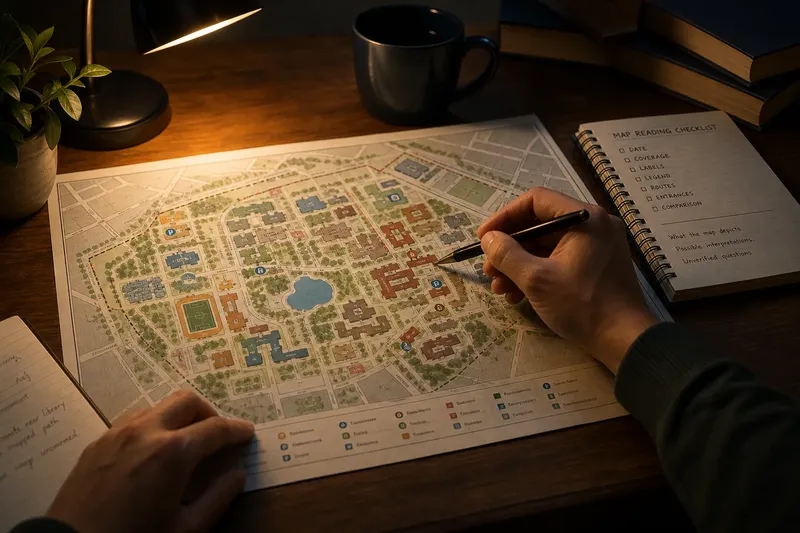
Plan Your First Week at VNU Hanoi Around Orientation
First week at VNU Hanoi: use orientation to prepare for classes, find useful facilities, and make a focused plan for your first days on campus.
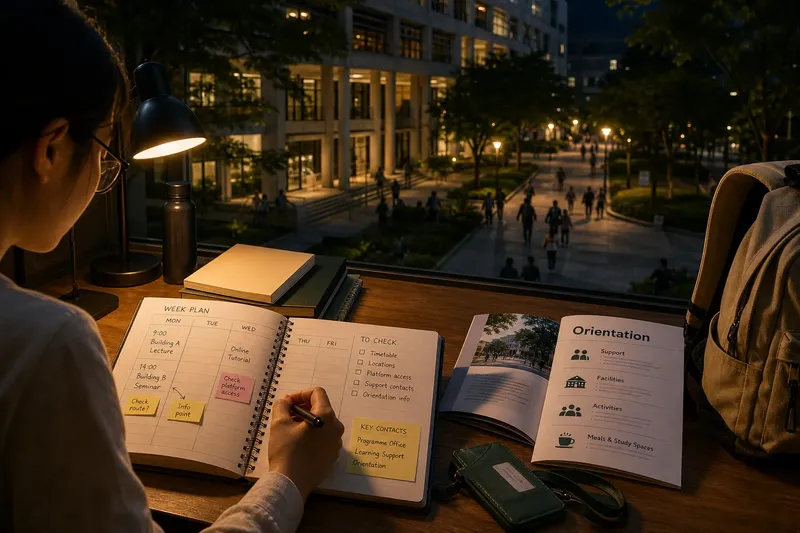
Planning your first week at VNU Hanoi starts with the details in your own timetable, not a campus-wide tour. As a multi-institution university, Vietnam National University, Hanoi (VNU Hanoi) can have different teaching locations and arrangements across programmes, so check programme-specific information before setting out.
Orientation helps you understand how to get support and take part in campus life. Use it to settle practical questions that affect your schedule, rather than trying to learn every building at once.
Start with your timetable
Read the current timetable and note the time, location and format of each class. Mark online sessions separately from in-person teaching, and check whether any programme notice gives instructions that the timetable does not include.
Leave room between activities for ordinary transitions, such as finding a classroom or getting a meal. Detailed plans for places you will not visit add little; begin with the buildings and services your schedule actually names.
Use orientation well
During orientation, listen for the programme’s official channels for room changes, student support and learning-platform access. Write down the names of the relevant office or contact and how to reach them, so you know where to take a question later.
Ask about the facilities you expect to use, such as the library, student services or food outlets. If a building name or instruction is unclear, ask the organiser to clarify what it refers to; this is more useful than collecting general directions unrelated to your classes.
Check daily essentials
Before your first class, confirm that you can access your timetable and any learning platform named by your programme. Keep account details private, and use the stated support route if access does not work.
- Check whether every in-person class has a location; if one is missing, ask the programme contact, then use the confirmed location rather than guessing.
- Check whether the timetable and programme notice give the same class time; if they conflict, contact the named organiser and wait for clarification before relying on either detail.
- Check whether you can open the learning platform named in your programme information; if access fails, contact the listed support office instead of borrowing another person’s account.
- Check whether you know the recognised name of your first classroom building; if not, ask orientation staff or your programme contact for clarification before travelling.
- Check whether a student card or another item is required for a facility you intend to use; if the requirement is unclear, ask that facility before making a special visit.
- Check the time and location of any orientation activity you plan to attend; if either is uncertain, confirm with its organiser and adjust your schedule.
Make space for campus life
Orientation can introduce clubs, student activities and places to eat or study. Ask where current notices are published and whether an activity is open to students in your programme. Choose an event that fits your classes instead of trying to attend everything.
For breaks, identify a convenient place near the buildings already on your schedule. A short question to an orientation host about available options is usually more useful than assembling a long list of venues you may not visit.
First-week questions?
What should I prepare for my first class?
Check the class time, location and any instructions in your current timetable or programme notice. Bring the materials specified there, and ask the programme contact about missing details.
What if classes are in different locations?
Use the location names in your confirmed timetable to work out what you need to clarify before the next class. If you are unsure how to reach a destination, ask the programme contact or orientation organiser for guidance rather than relying on another student’s schedule.
Where can I find student activities?
Ask at orientation where current activity notices appear and how to confirm whether an event is open to you. Check the latest notice before making plans, since an older listing may no longer apply.
What should I do if a class notice changes?
Check the official update channel identified by your programme and compare the new notice with your timetable. If the instructions still conflict, contact the programme office or named organiser before acting.
Work through a week
Imagine you are planning a week with two in-person classes on Monday: one at 9.00 am in Building A and another at 2.00 pm in Building B. These times and building names are invented for illustration, not claims about VNU Hanoi. You write both entries into a paper planner, then check each building name against the programme information supplied to you. If the names match, you keep them; if one differs, you ask the programme contact which entry is current.
Next, you ask an orientation organiser how students should confirm the route between those buildings. Suppose the organiser directs you to a named campus information point for route guidance. You note that point beside the second class, then check the official programme channel for room updates. The resulting plan is to use the confirmed building names, seek route guidance at the named point and follow any later official room change; if no route guidance is available there, you ask the programme contact instead. This approach leaves the uncertain detail visible rather than turning an unverified route into a settled fact.
For your first week at VNU Hanoi, focus on confirmed class details, the support channels you may need and the facilities relevant to your schedule. That gives you a manageable starting point while leaving room to learn the campus through the activities and places you actually use.